Best Coffee and Matcha in Japan: Tokyo, Kyoto and Osaka
Siya P · 31 Oct 2026
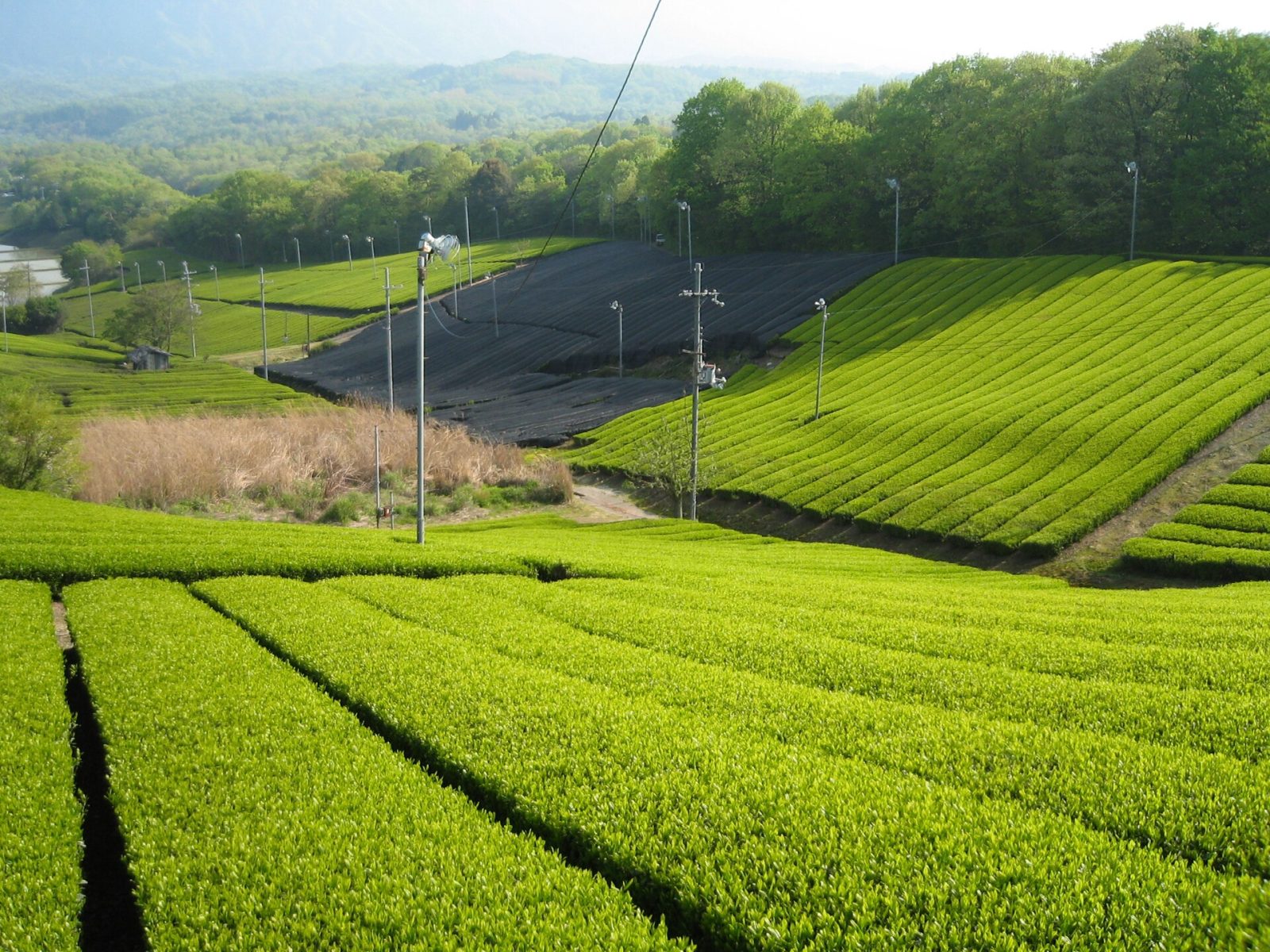
Japan was brewing coffee one careful cup at a time long before anyone called it third wave. The old kissaten coffee houses perfected hand drip and siphon decades ago, and today's specialty roasters build on that craft. Add matcha whisked properly, and Japan may be the best country in the world to be caffeinated.
Our Japan team keeps this list for travelers who plan their days around the next cup: the specialty roasters, the classic kissaten, and where to drink matcha the way it is meant to taste. Every spot links to Google Maps. This is part of the Akshar Travels Founders Series: the lists our own team uses to plan Japan.
Last checked October 2026. Places our team has been are written from experience, and anything we found but have not tried yet is marked. If a place has changed, tell us and we will update the list.
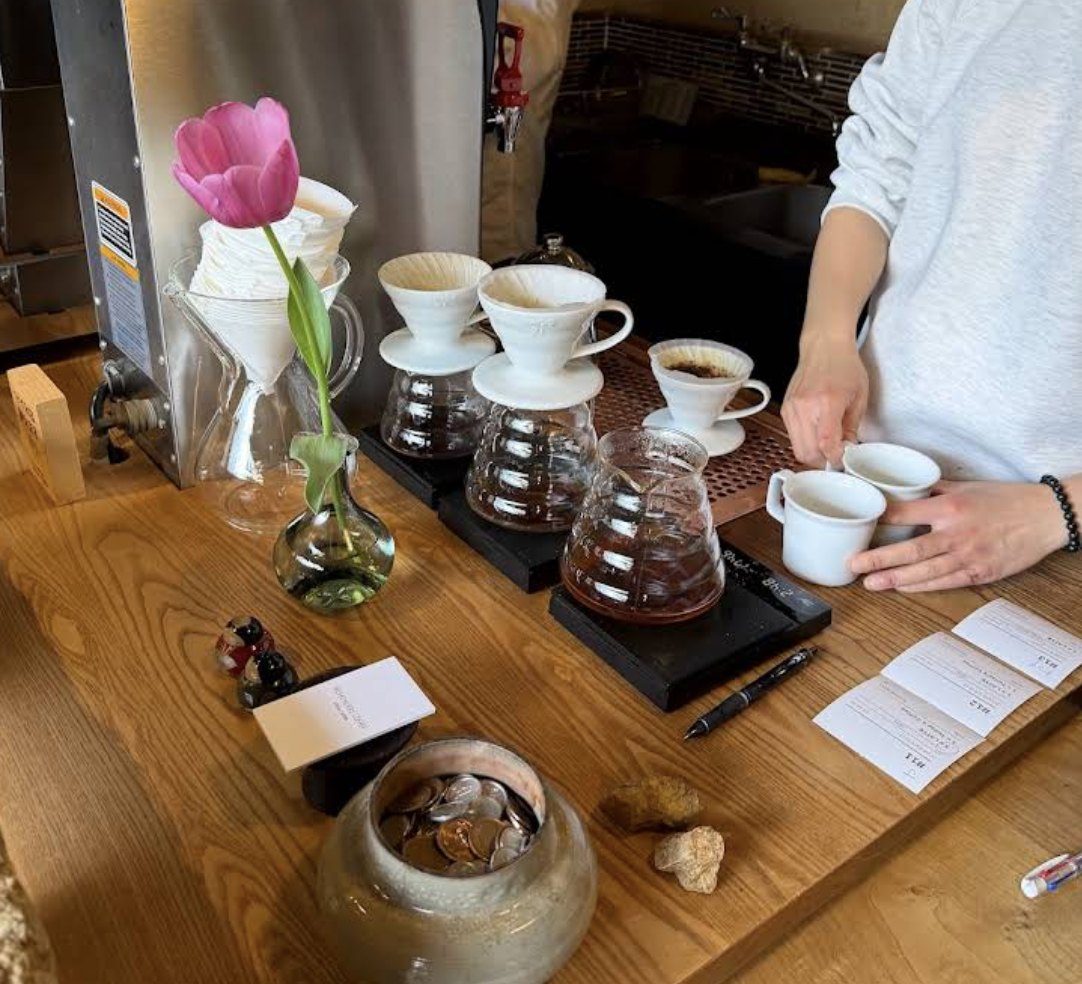
Coffee in Tokyo
Tokyo has more serious coffee than you can drink in a week. These are the ones worth crossing the city for.
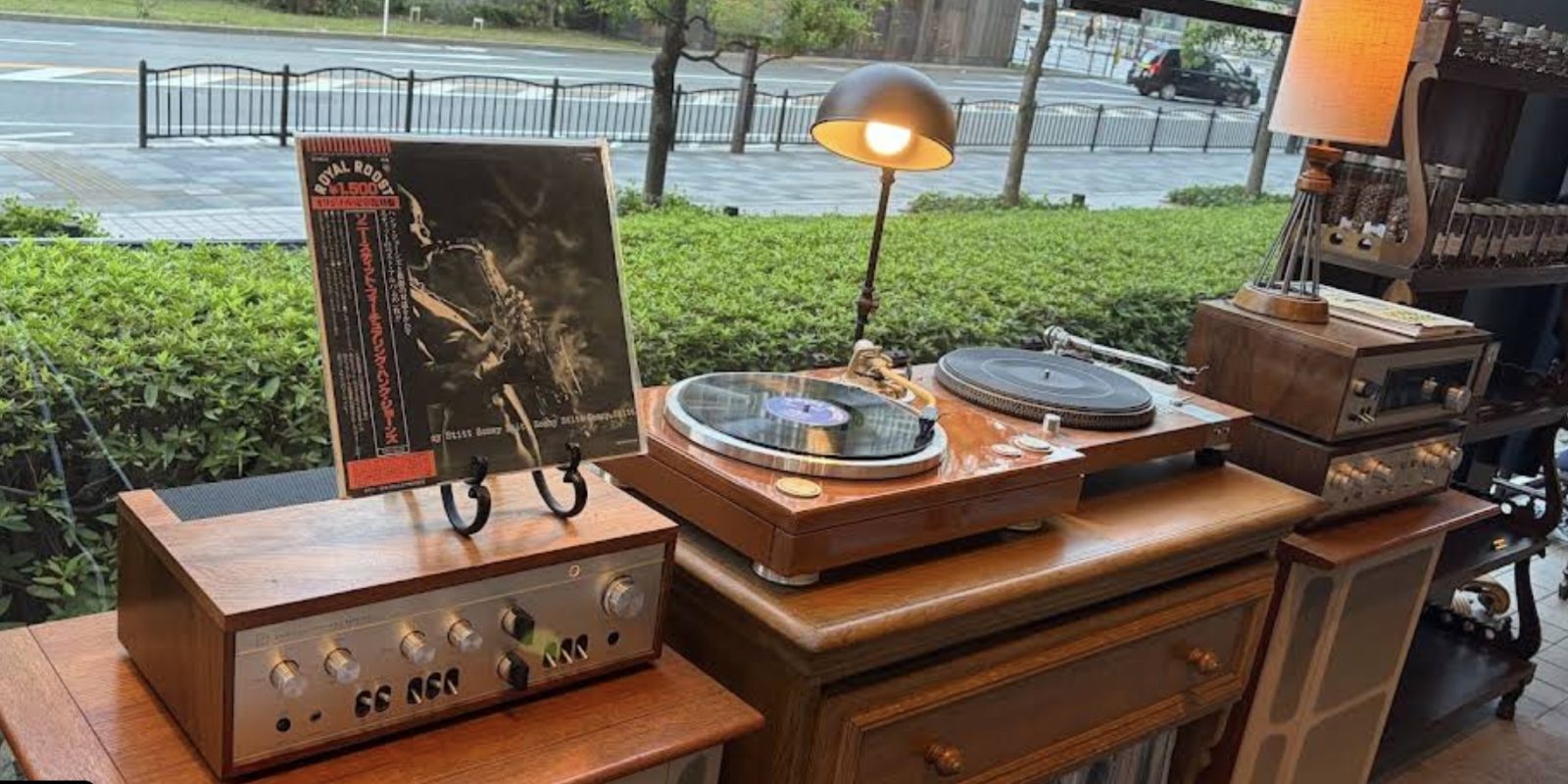
Koffee Mameya Kakeru
Kiyosumi-ShirakawaA coffee tasting course at a counter, like omakase for coffee. Book ahead.
Koffee Mameya Kakeru on Google MapsKoffee Mameya
OmotesandoA bean shop, not a cafe. Tell the barista what you like and take home beans from roasters across Japan and beyond.
Koffee Mameya on Google MapsGlitch Coffee and Roasters
JimbochoThe original Glitch, in Tokyo's used bookstore district. Light roasted single origins, with the roaster in the corner.
Glitch Coffee and Roasters on Google MapsFuglen Tokyo
Tomigaya, near Yoyogi ParkThe Oslo cafe's Tokyo outpost. Nordic light roasts by day, cocktails at night.
Fuglen Tokyo on Google MapsOnibus Coffee
NakameguroA small roaster beside the train tracks, with a terrace upstairs. Pair it with a walk along the Meguro River.
Onibus Coffee on Google MapsLeaves Coffee Roasters
Honjo-Azumabashi, near the SkytreeA tiny counter that turns up on every serious best of list.
Leaves Coffee Roasters on Google MapsBlue Bottle Coffee
Kiyosumi-ShirakawaIts first shop outside the US, in a converted warehouse. Walk over from Koffee Mameya Kakeru.
Blue Bottle Coffee on Google MapsCafe de l'Ambre
GinzaThe kissaten counterpoint. Aged beans and flannel drip, served at the same counter since 1948.
Cafe de l'Ambre on Google Maps
Want a coffee and matcha day in Tokyo or Kyoto built into your trip? Send us your dates and we will plan it, an Uji half day included.
Coffee in Kyoto
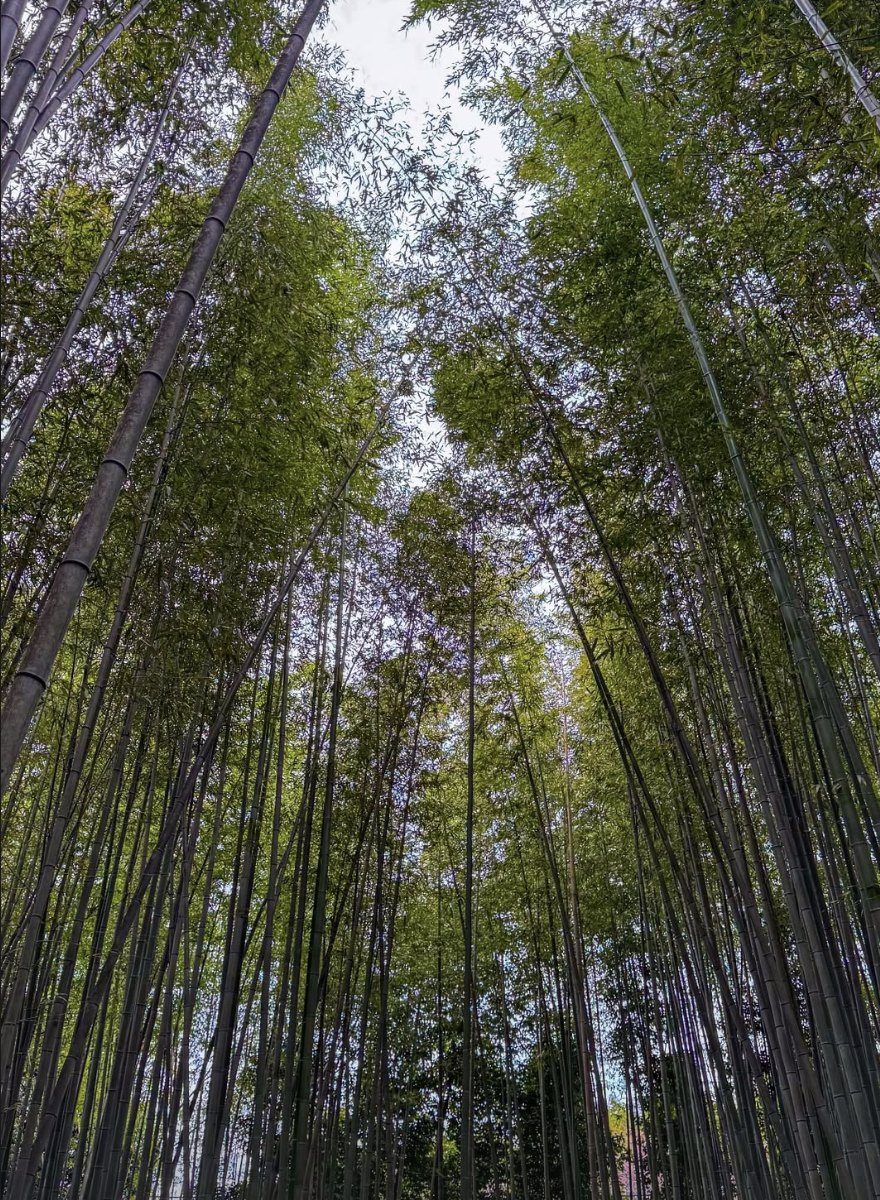
% Arabica Arashiyama
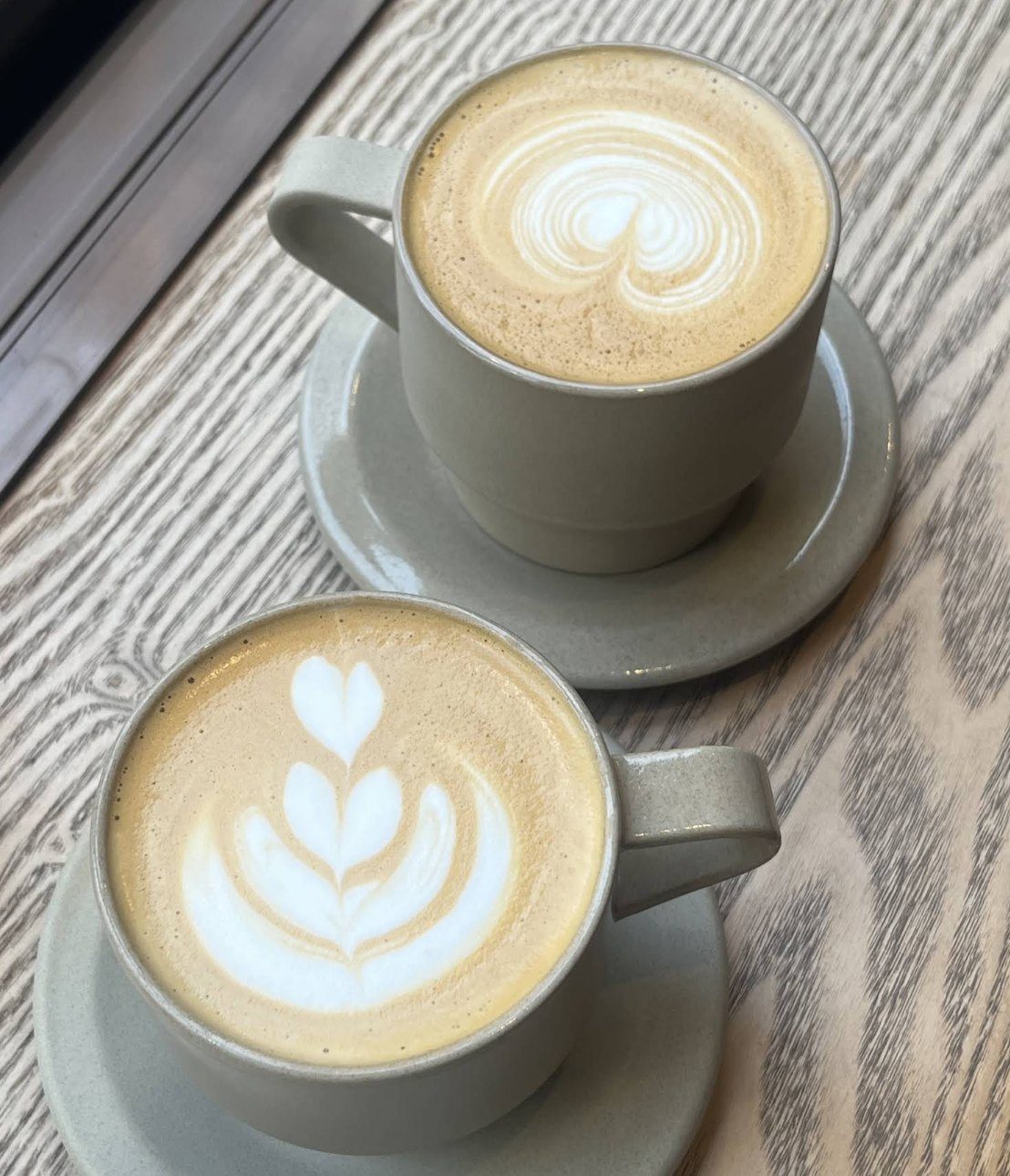
On the river in ArashiyamaGo first thing. The latte with the view. Go early, before the bamboo grove crowds, because the line builds fast.
% Arabica on Google Maps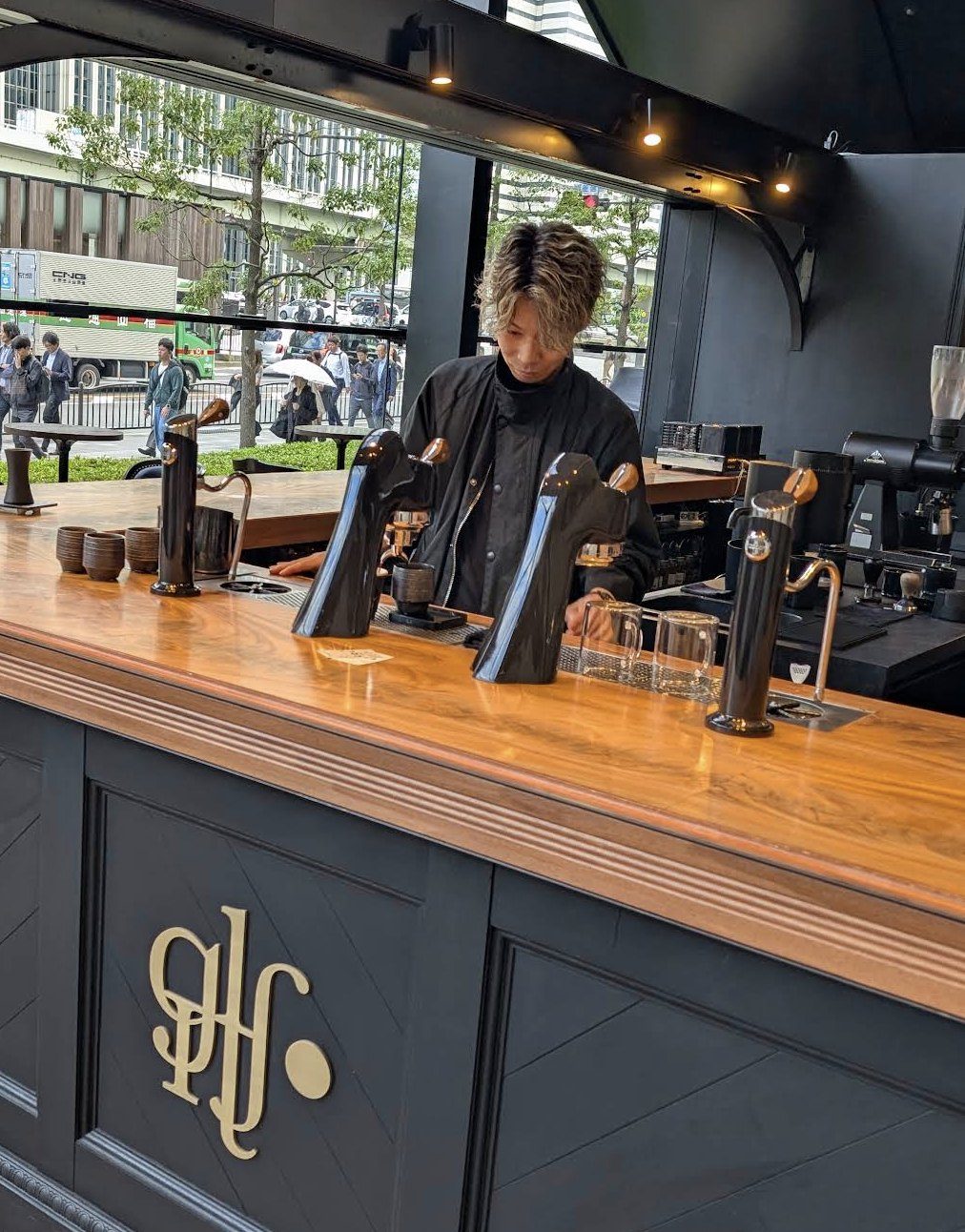
Kaikado Cafe
By the Kamo River, near KawaramachiThen the slow one. In an old tram depot, run by the family that has made hand beaten tea caddies since 1875. Buy a caddy for your matcha while you are there.
Kaikado Cafe on Google Maps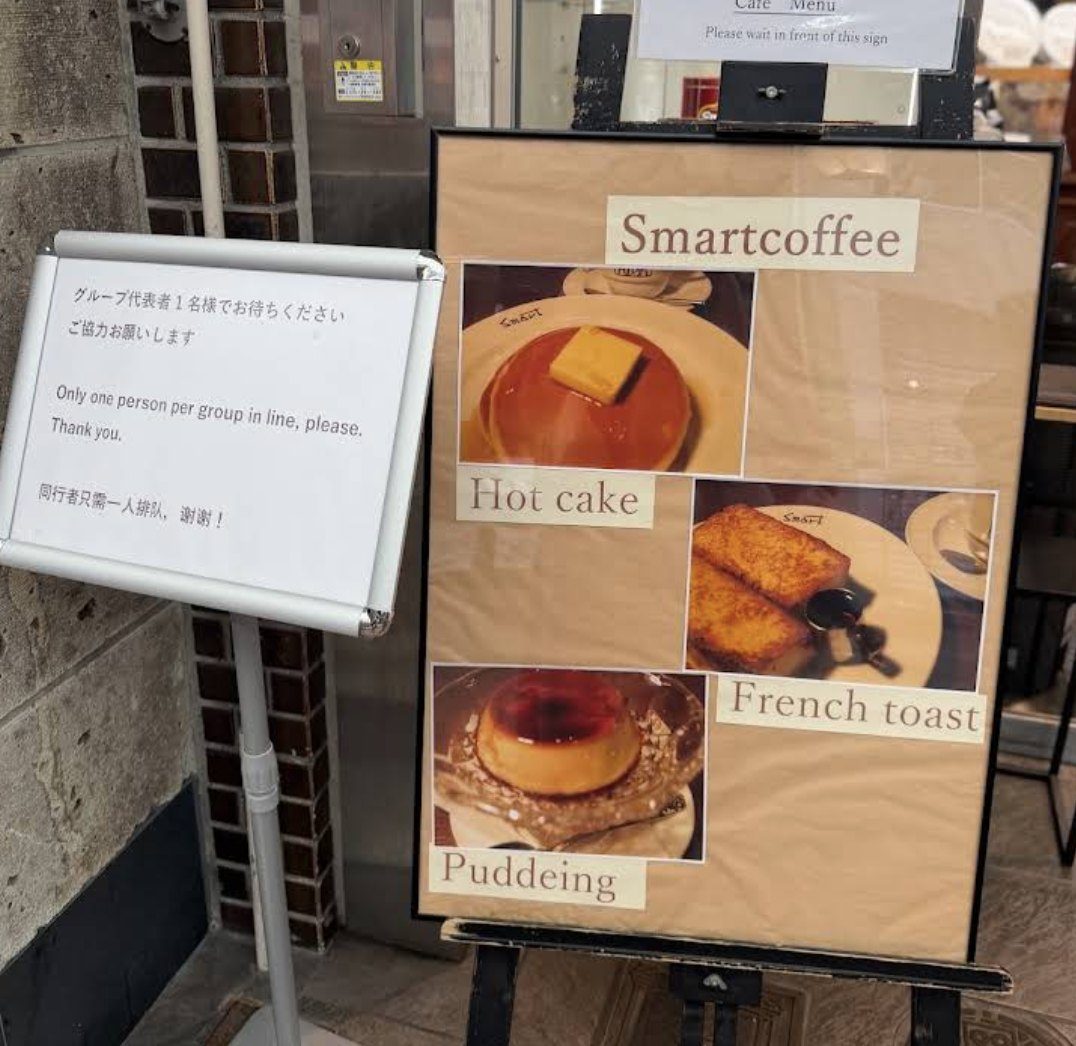
By the afternoon, three small counters, all worth finding.
Kurasu
Specialty coffee near Kyoto Station, and the matcha people keep talking about.
Kurasu on Google MapsWeekenders Coffee
A tiny roastery tucked behind a parking lot off Tominokoji. Worth finding.
Weekenders Coffee on Google MapsSmart Coffee
A Teramachi kissaten since 1932. Hand drip and French toast, the old way.
Smart Coffee on Google Maps
Coffee in Osaka
Our Osaka list has the full city. For coffee, start with these.
Glitch Coffee Osaka
NakanoshimaThe Tokyo roaster's Osaka shop, on the ground floor of Festival Tower West in Nakanoshima. Open from 8 on weekdays.
Glitch Coffee Osaka on Google MapsHaiku Coffee Roasters
North of NakazakichoA small batch roaster that started in Nakazakicho and now sits a short walk north. Pour overs roasted on site, and vegan cookies on the counter.
Haiku Coffee Roasters on Google MapsLiLo Coffee Roasters
Near ShinsaibashiA small standing bar near Shinsaibashi with beans from a long list of origins.
LiLo Coffee Roasters on Google Maps
Where to drink matcha
Real matcha is whisked, not stirred, and it should taste sweet and grassy, not bitter.
If it tastes like lawn clippings and regret, it was poor matcha or water that was too hot. In Japan you will be served two kinds.
Usucha is thin tea. Whisked until frothy, light and bright. This is what you get in most tea rooms and what to start with.
Koicha is thick tea, made with the best leaf and almost syrupy. Served in formal ceremonies. Try it once.
Ippodo Kaboku Tearoom
Teramachi, KyotoNext to Ippodo's main shop. They will show you how to whisk your own bowl.
Ippodo Kaboku Tearoom on Google MapsNakamura Tokichi
UjiIn the town matcha comes from, since 1854. The matcha parfait is the famous order.
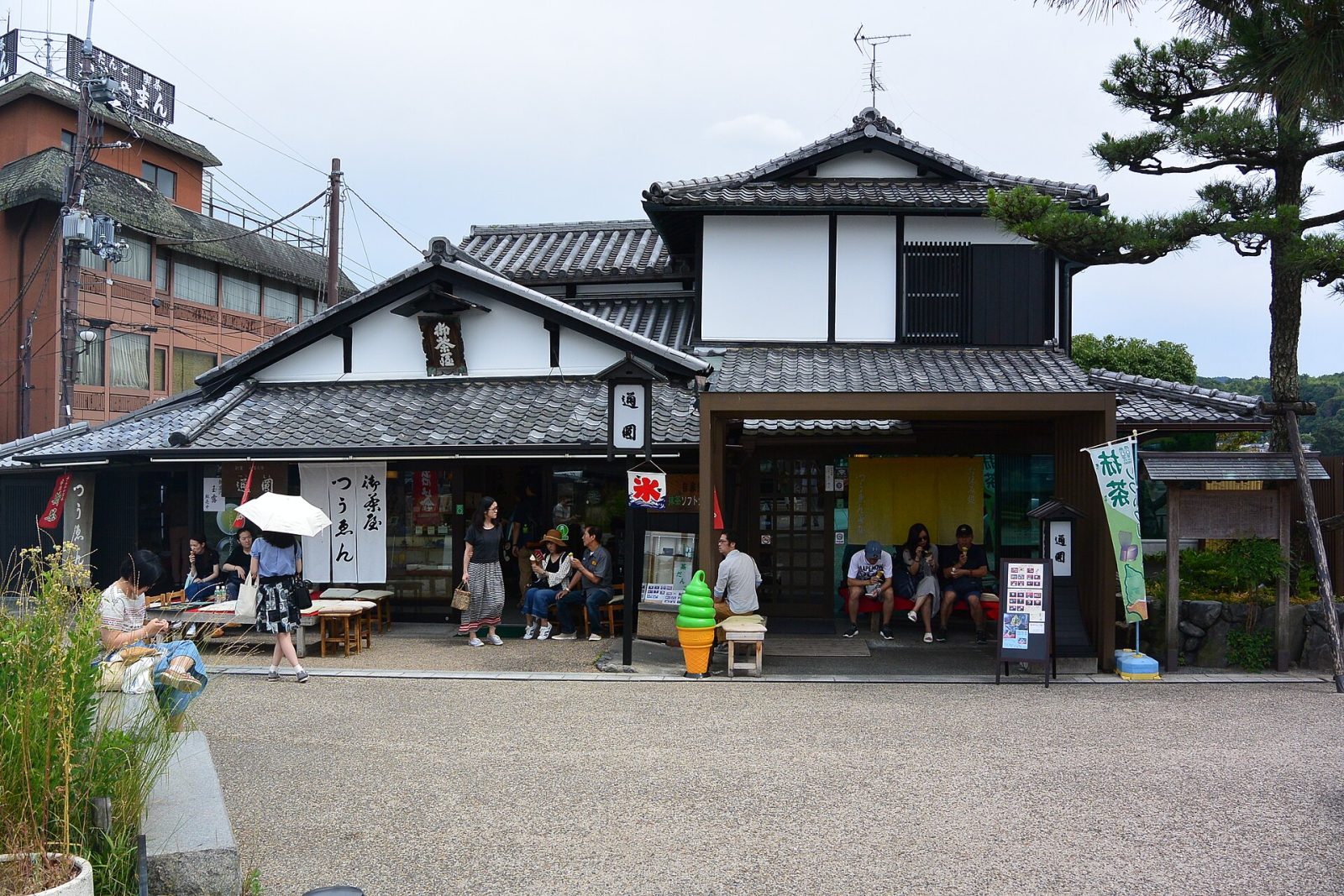
Nakamura Tokichi on Google MapsTsujiri
Gion, KyotoAn Uji tea house since 1860, with a cafe in Gion. Matcha soft serve, the reliable classic.
Tsujiri on Google MapsSakurai Japanese Tea Experience
Omotesando, TokyoA tea tasting course led by a tea master, matcha through roasted teas.
Sakurai Japanese Tea Experience on Google Maps
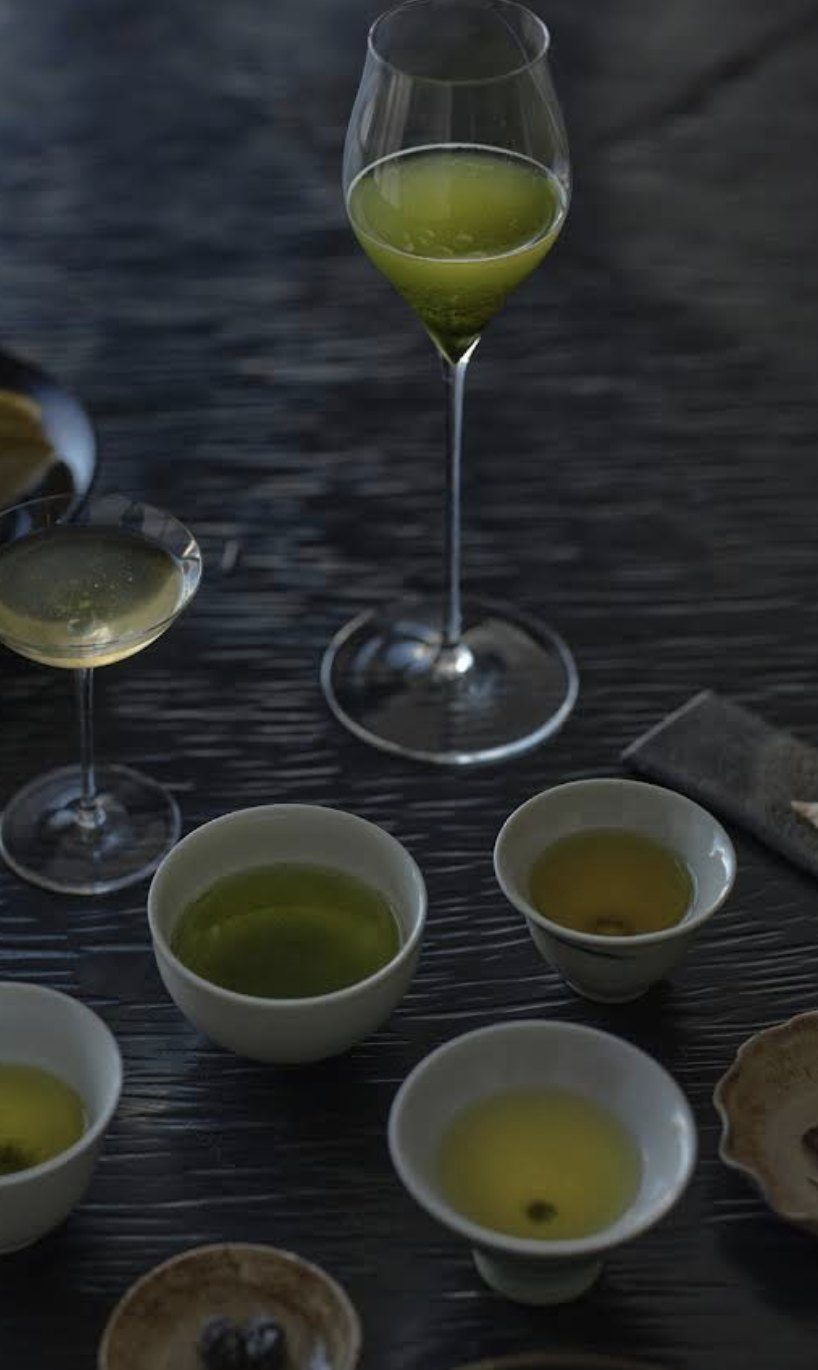
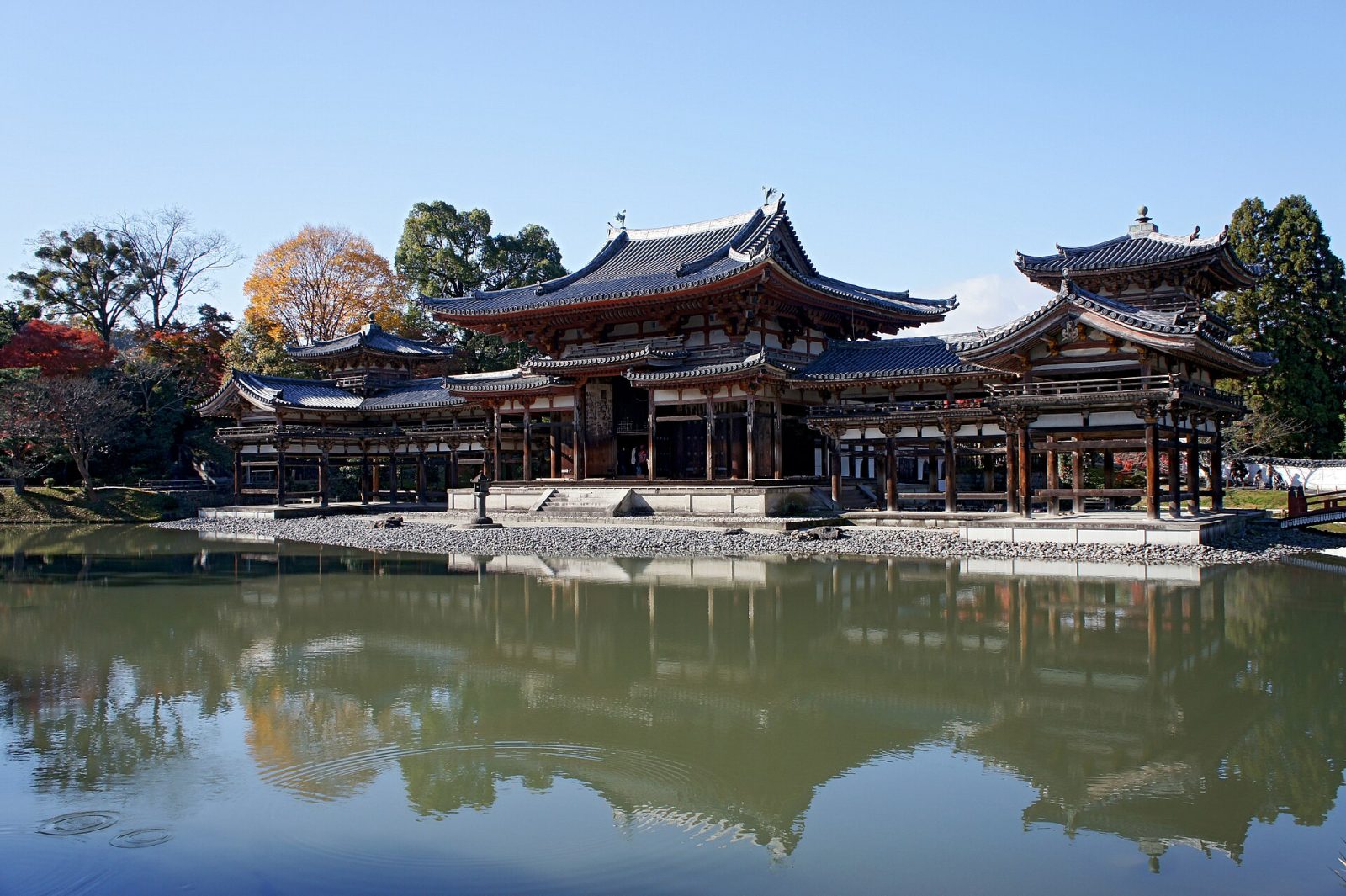
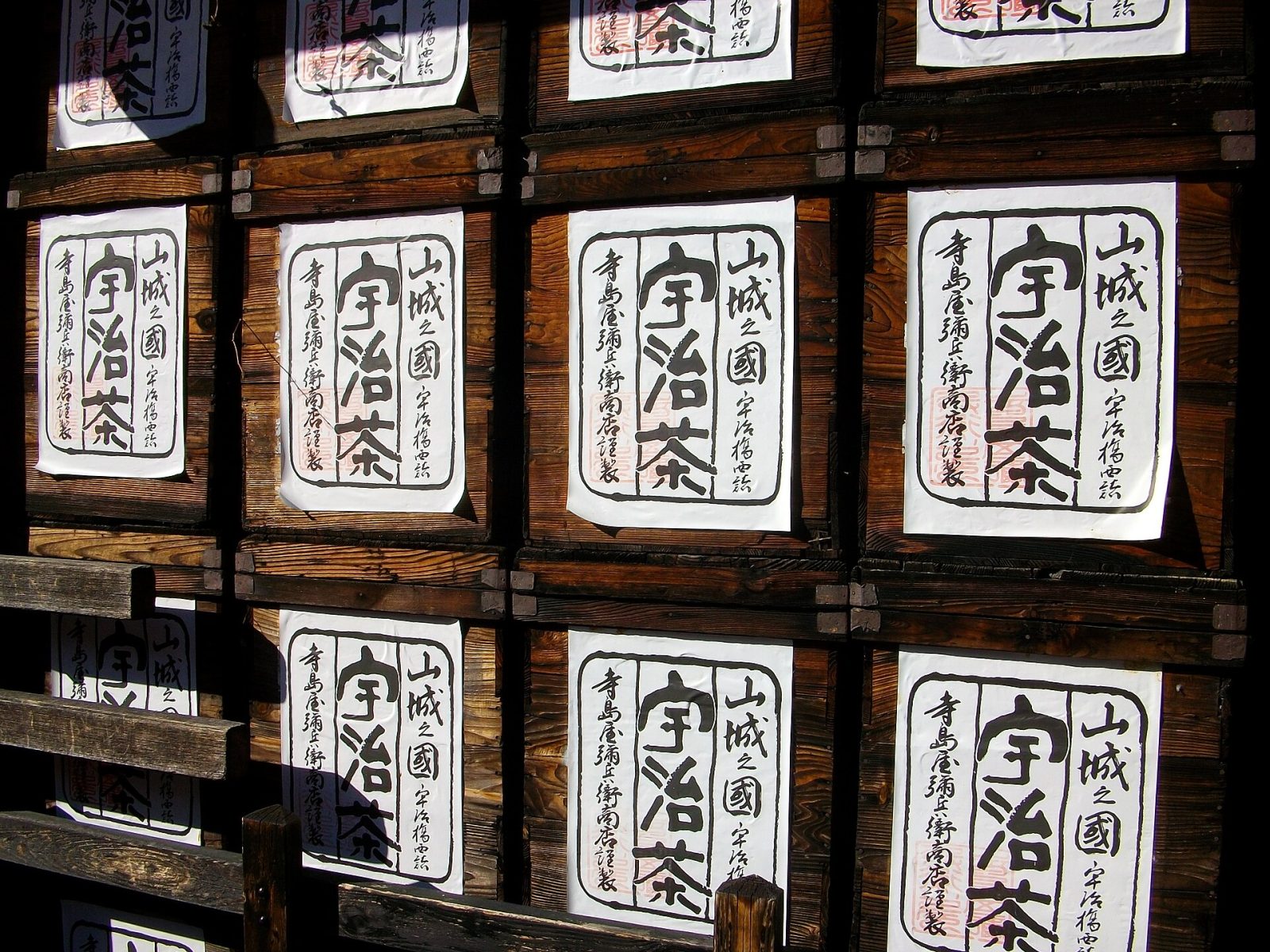
Uji is about 20 to 30 minutes from Kyoto by train, and an easy half day: tea shops, the Byodo-in temple, and a riverside walk.
How to order
Small habits that make every cup better, and how to bring it home. Tap a phrase to see how to say it.
Hand drip, please
Hando doripu de onegaishimasu. Hand drip is the pour over; ask for it by name.
To go
Teiku auto de. Takeaway. Most places will also happily let you sit.
Black, no sugar
Burakku de. Black coffee. Milk is miruku, sugar is satou.
Thin tea, please
Usucha o onegaishimasu. The light, frothy bowl. Koicha is the thick one.
Ordering
- Ask for hand drip, hando doripu, if you want a pour over.
- Takeaway is teiku auto. Most places will also happily let you sit.
- Most people do not walk and drink. Finish your cup by the shop, then go.
Kissaten
- The old school coffee houses are about slow coffee, thick toast and dark wood.
- Some still allow smoking, so check the door if that matters to you.
Bringing beans home
- Roasters sell small bags of beans. Ask for whole bean and the roast date.
- Coffee beans and sealed matcha are fine in your luggage.
Bringing matcha home
- Buy small tins and keep them sealed and cool. Opened matcha fades within weeks.
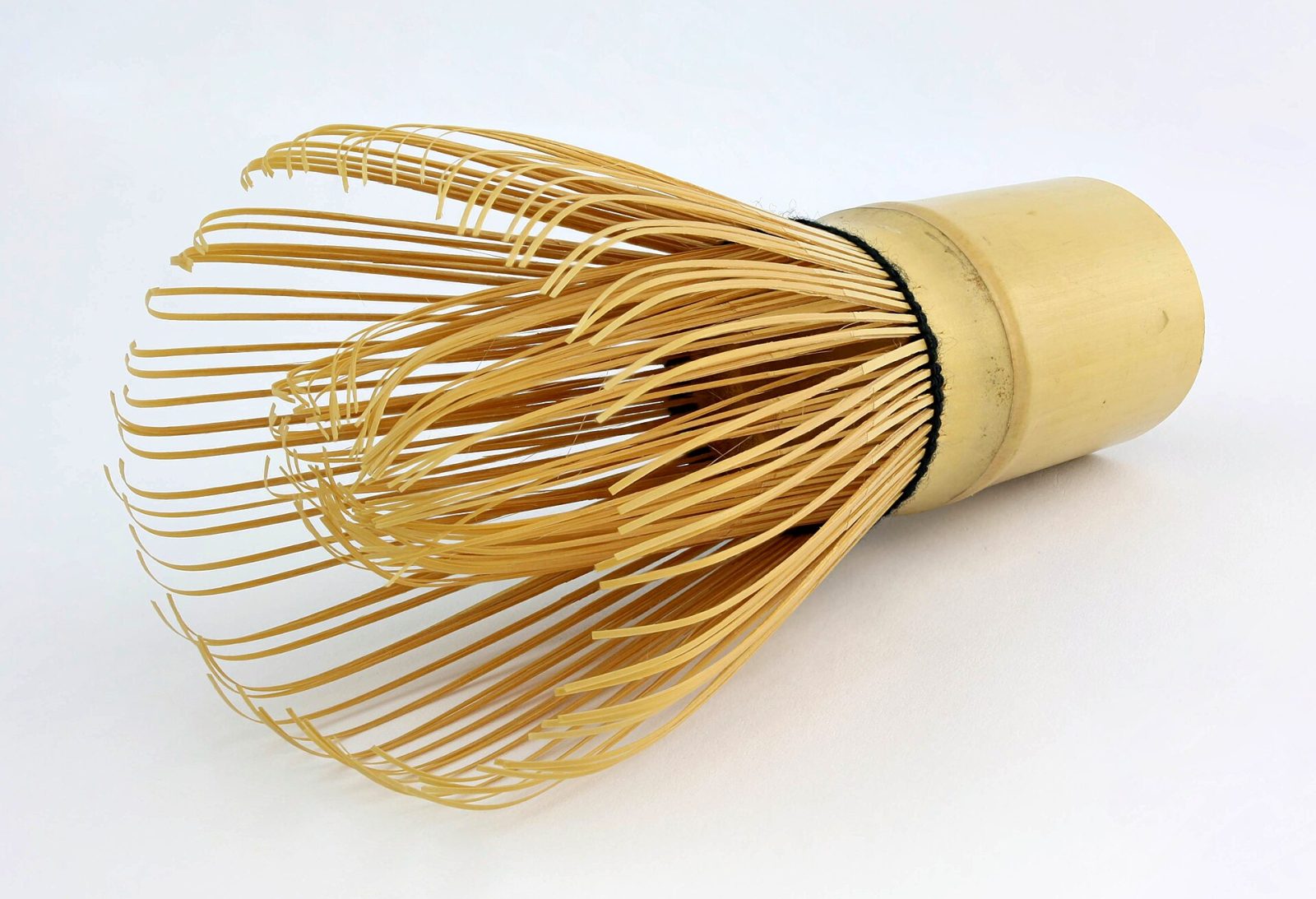
- A bamboo whisk, a chasen, is the one tool worth buying with it.
Plan around the next cup
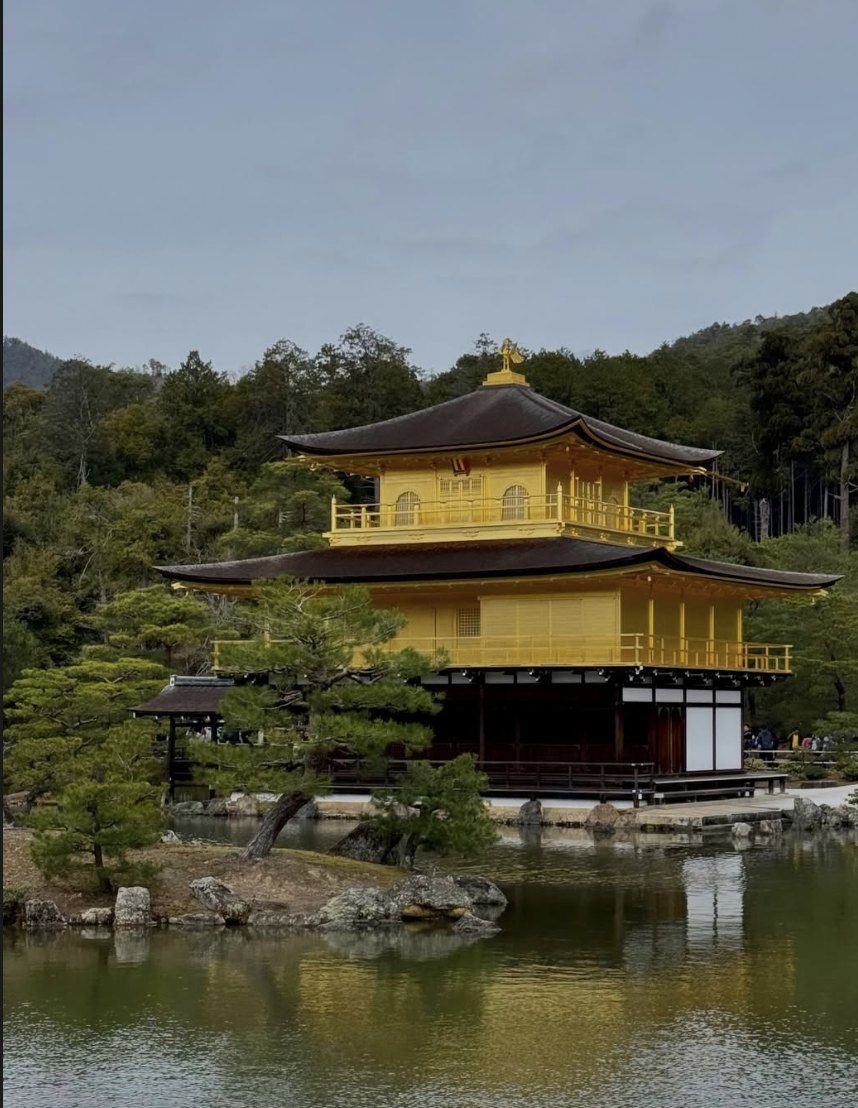
The coffee bar on the way to the temple, the tea house booked for the right afternoon, an Uji half day between Kyoto and Osaka. Send us your dates and we plan it at that level of detail.
Akshar Travels plans luxury Japan too: the hotels and ryokan worth the splurge, the best rates we can find for your dates, and reserved seats on the bullet train in the weeks they sell out.
More Japan guides
- Things to do in OsakaSights, vegetarian food, coffee and a cocktail bar list.
- What to buy in JapanVintage, thrift, resale chains and how to buy matcha.
- Japan month by month, 2027The honest trade for every month before you pick dates.
Pictures in the matcha section from Wikimedia Commons: the chasen by D-Kuru (CC BY-SA 4.0), Tsuen tea house by Miya.m (CC BY-SA 4.0), and the Phoenix Hall of Byodo-in by 663highland (CC BY 2.5), the tea fields at the top by vera46 (CC BY 2.0) and the Uji tea tin by おいでやす千年の都 (CC0). The rest are ours.
FAQ
What is the best coffee in Tokyo?
For a full tasting, Koffee Mameya Kakeru in Kiyosumi-Shirakawa. For everyday specialty coffee, Glitch in Jimbocho, Fuglen in Tomigaya and Onibus in Nakameguro.
What is a kissaten?
A traditional Japanese coffee house, often decades old, known for slow hand drip or siphon coffee, thick toast and dark wood interiors. Cafe de l'Ambre in Ginza is a classic.
Where is the best matcha in Kyoto?
Ippodo's Kaboku tearoom on Teramachi, and Nakamura Tokichi in Uji, the town south of Kyoto where much of Japan's best matcha is grown.
What is the difference between usucha and koicha?
Usucha is thin tea, whisked frothy and light, and is what most tea rooms serve. Koicha is thick, made with the best leaf, and served in formal tea ceremonies.
Can I bring coffee beans and matcha home from Japan?
Yes. Roasted coffee beans and sealed matcha are fine in your luggage. Buy small tins of matcha, because it fades within weeks once opened.
Tours in this post
- Japan Cherry Blossom with South Korea - 12 days
- Wonders of Japan Tour Package with Bullet Train, Alpine Route & Mount Fuji - 10 days
- Japan Cherry Blossom Group Tour 2027 from USA - 9 days - From $3,299 - Next departure Mar 31, 2027