What to Buy in Japan: Vintage, Thrift Stores and Matcha
Siya P · 31 Oct 2026
Every Japan trip we plan comes with the same question: what should I actually bring home? Our travel experts keep a running answer, and we checked it against what Reddit's Japan travelers recommend thread after thread. This is the list.
Inside: the vintage and thrift neighborhoods, the resale chains worth knowing, how to buy matcha that is actually good, and the smaller things people wish they had bought more of. Bring an empty bag. This is part of the Akshar Travels Founders Series: the lists our own team uses to plan Japan.
Last checked October 2026. Places our team has been are written from experience, and anything we found but have not tried yet is marked. If a place has changed, tell us and we will update the list.
Where to shop vintage and thrift
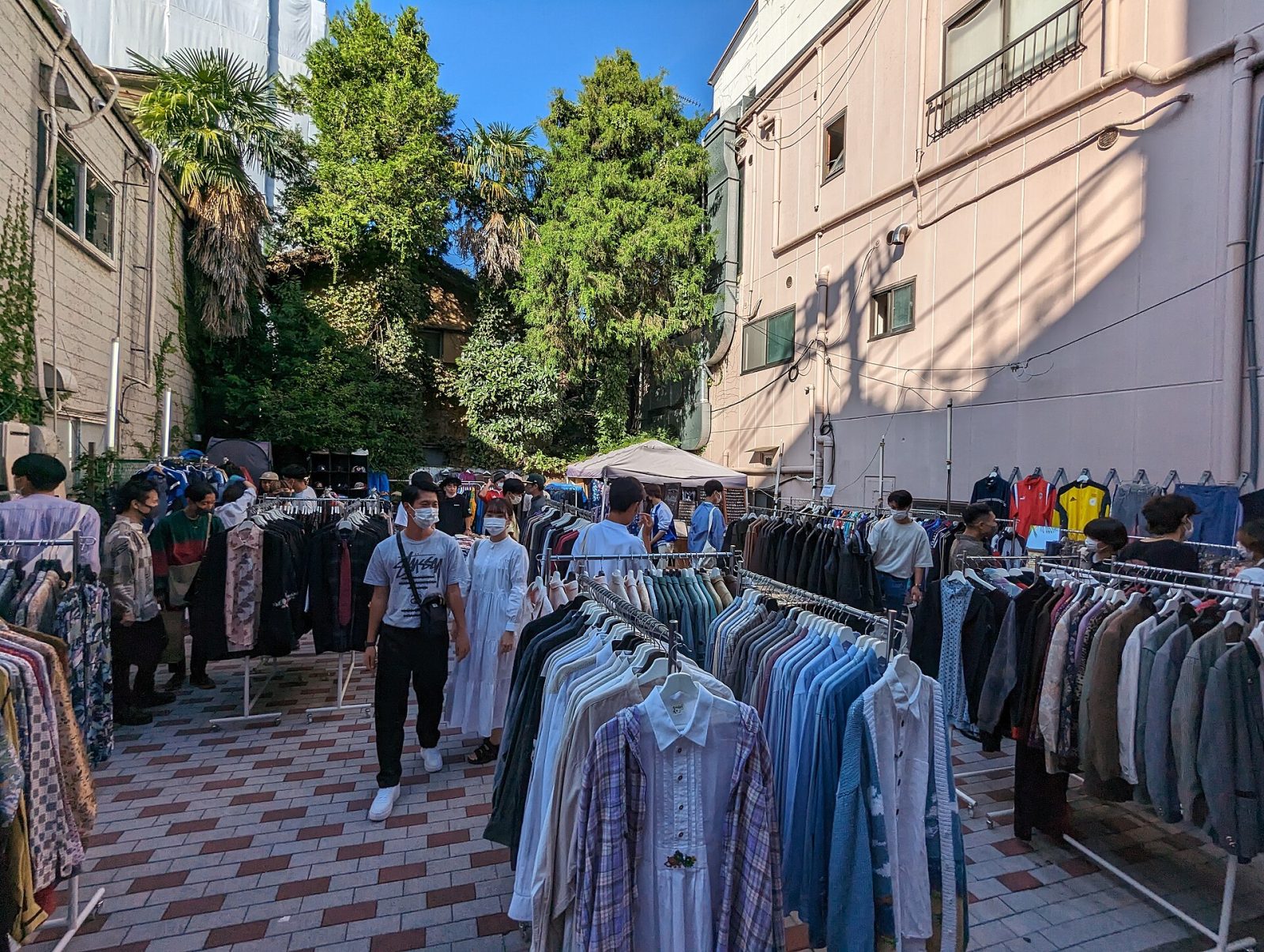
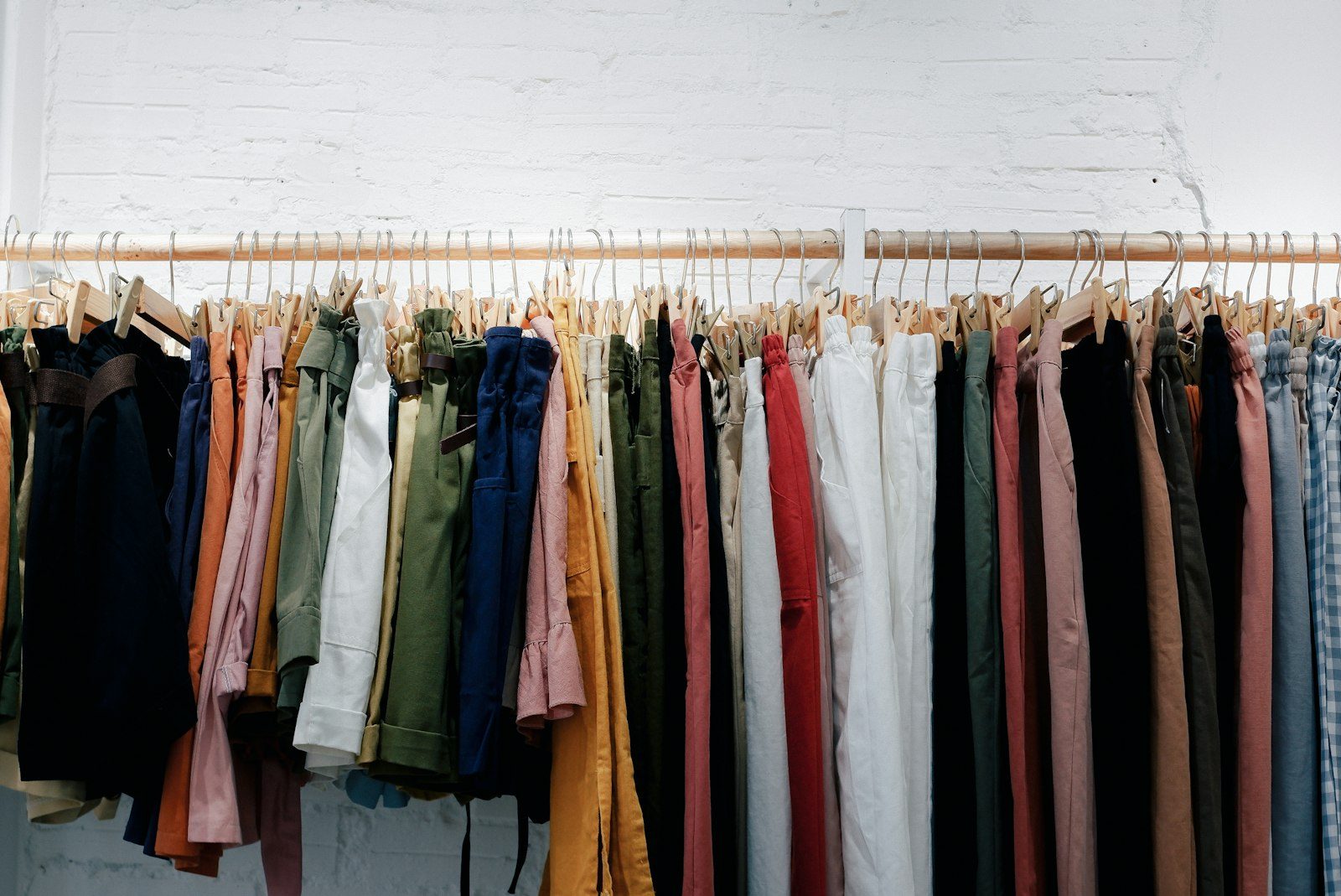
Japan's secondhand clothing is famous for a reason: people look after their things, so used often looks new, and the curation is serious. These are the neighborhoods to give a whole afternoon.
Shimokitazawa, Tokyo
Tokyo's vintage capitalStart here. Low rise streets packed with secondhand shops, from carefully curated American vintage to racks where everything is a few hundred yen. Most shops open around noon, so start after lunch and stay until dark.
Shimokitazawa on Google Maps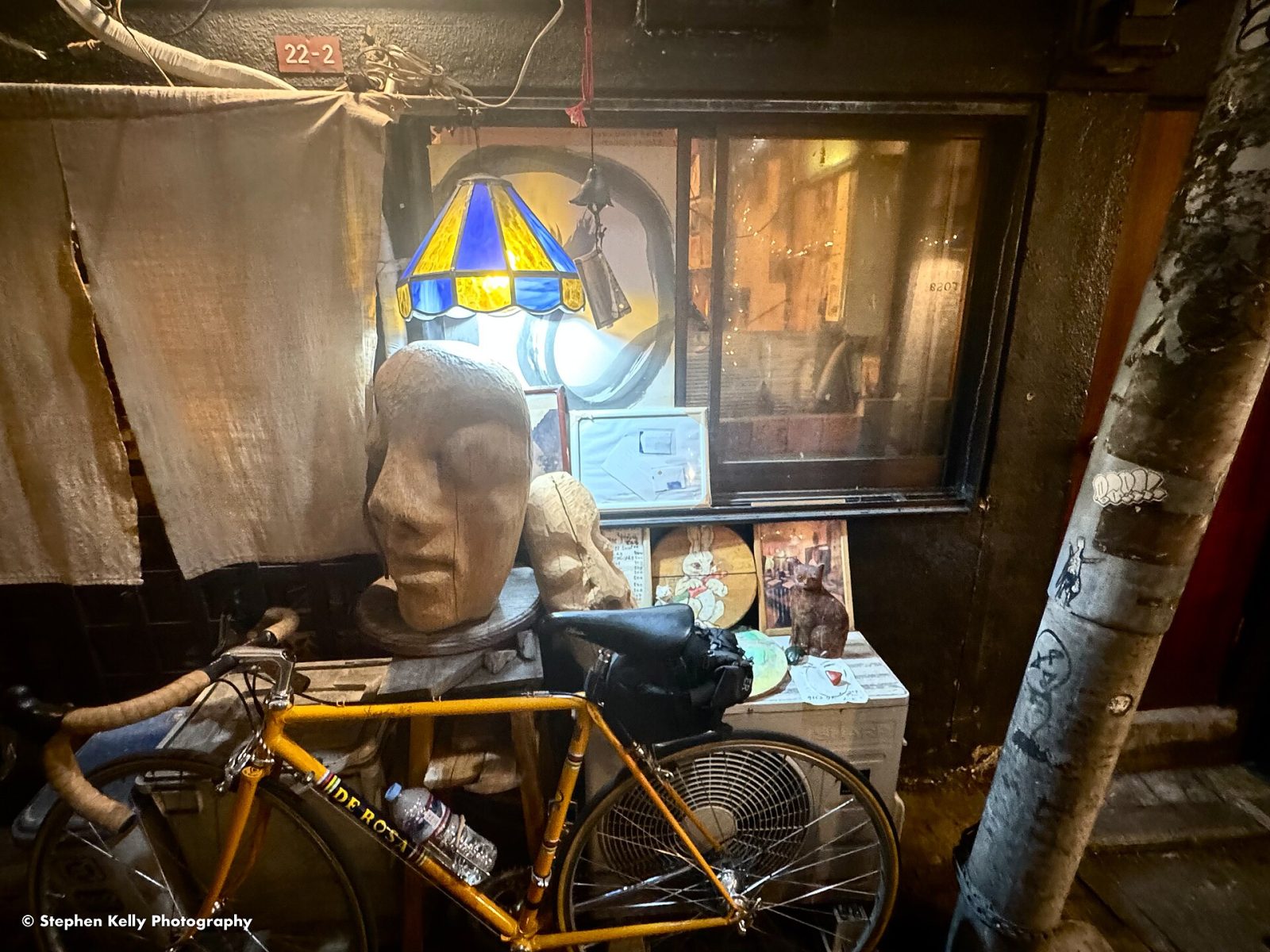
Koenji, Tokyo
A few stops west of Shinjuku on the JR Chuo lineThen the cheaper one. Rougher round the edges than Shimokitazawa and usually cheaper. Workwear, band tees, punk, and the odd designer piece priced by someone who did not know what they had.
Koenji on Google Maps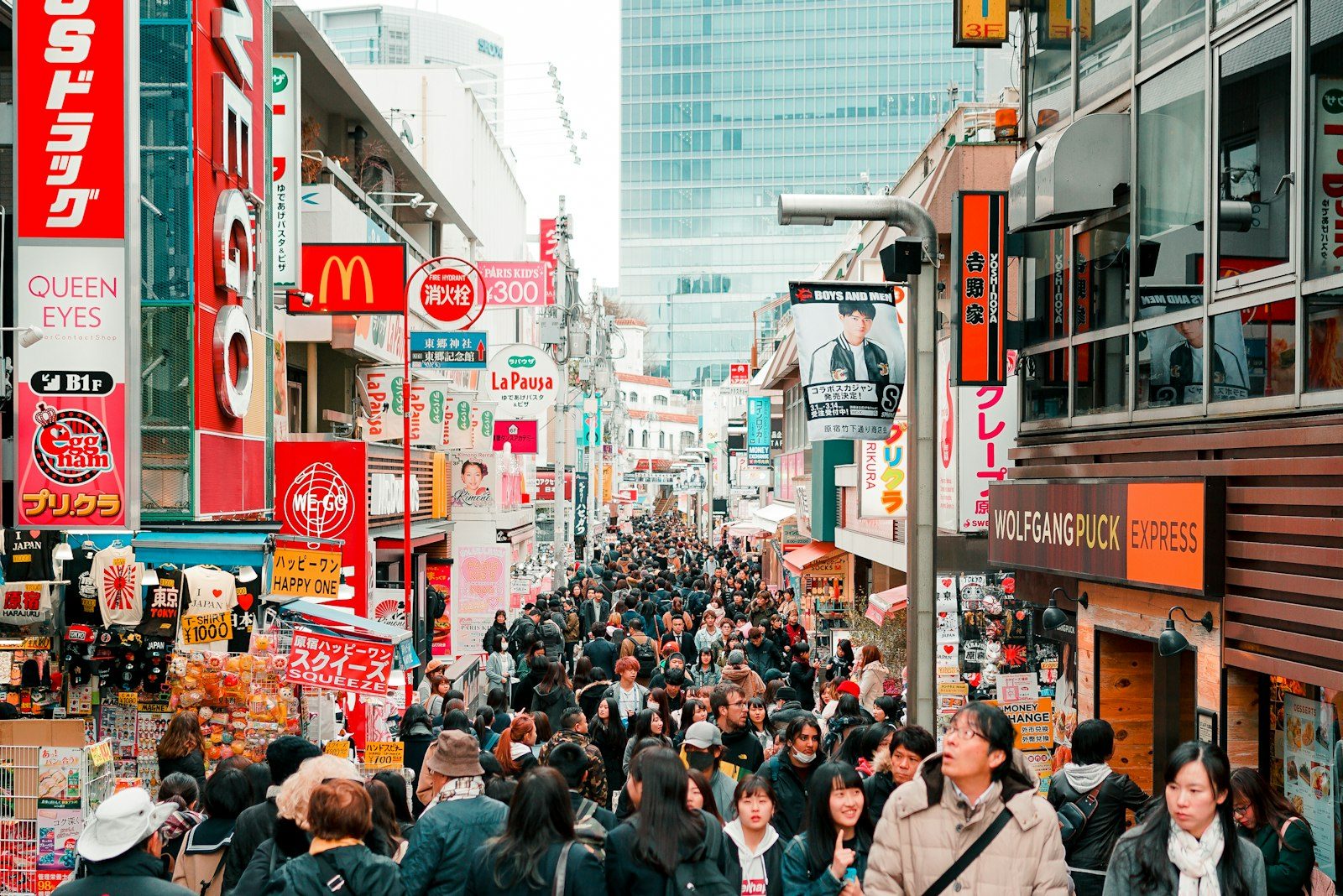
Harajuku, Tokyo
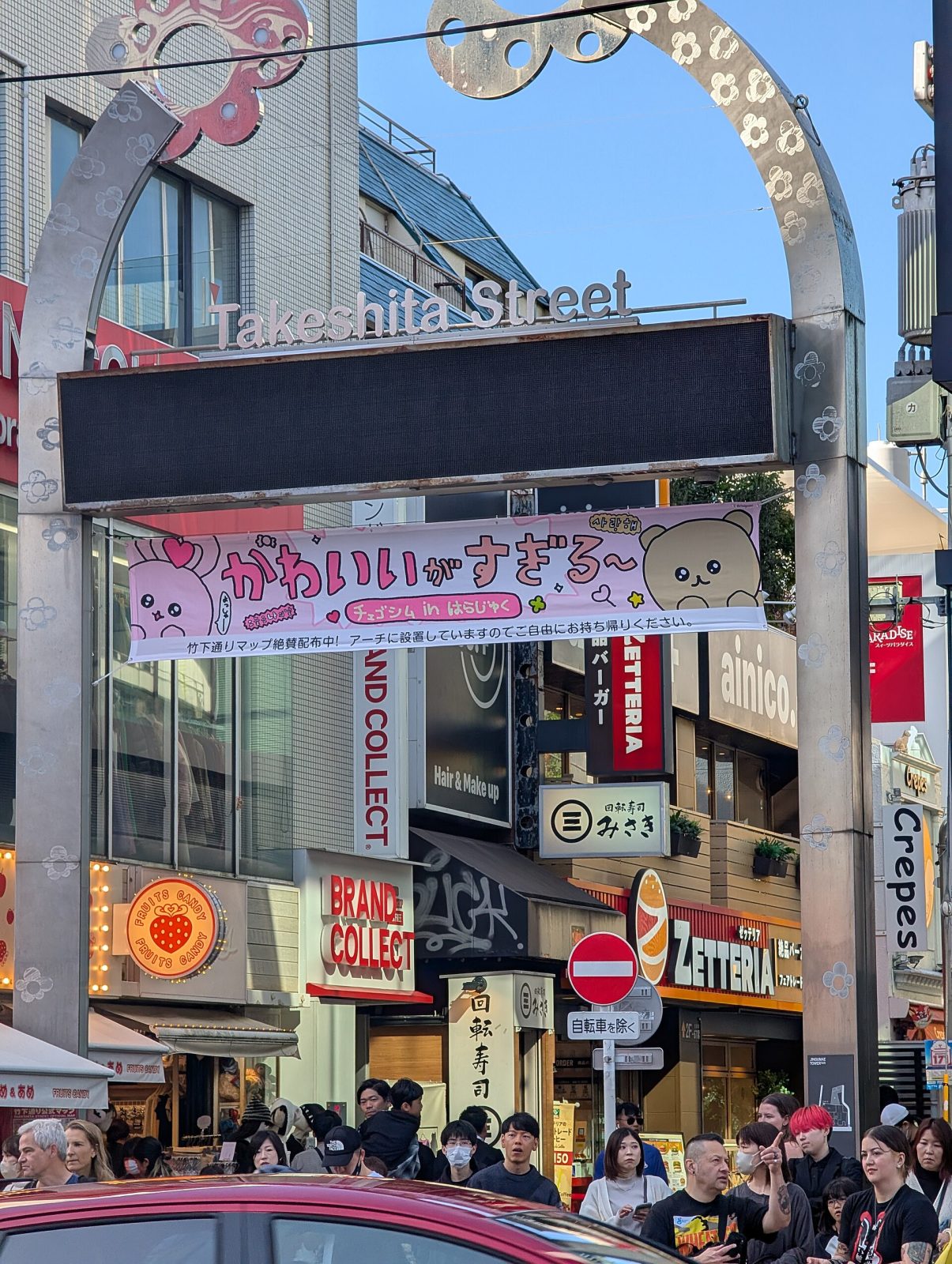
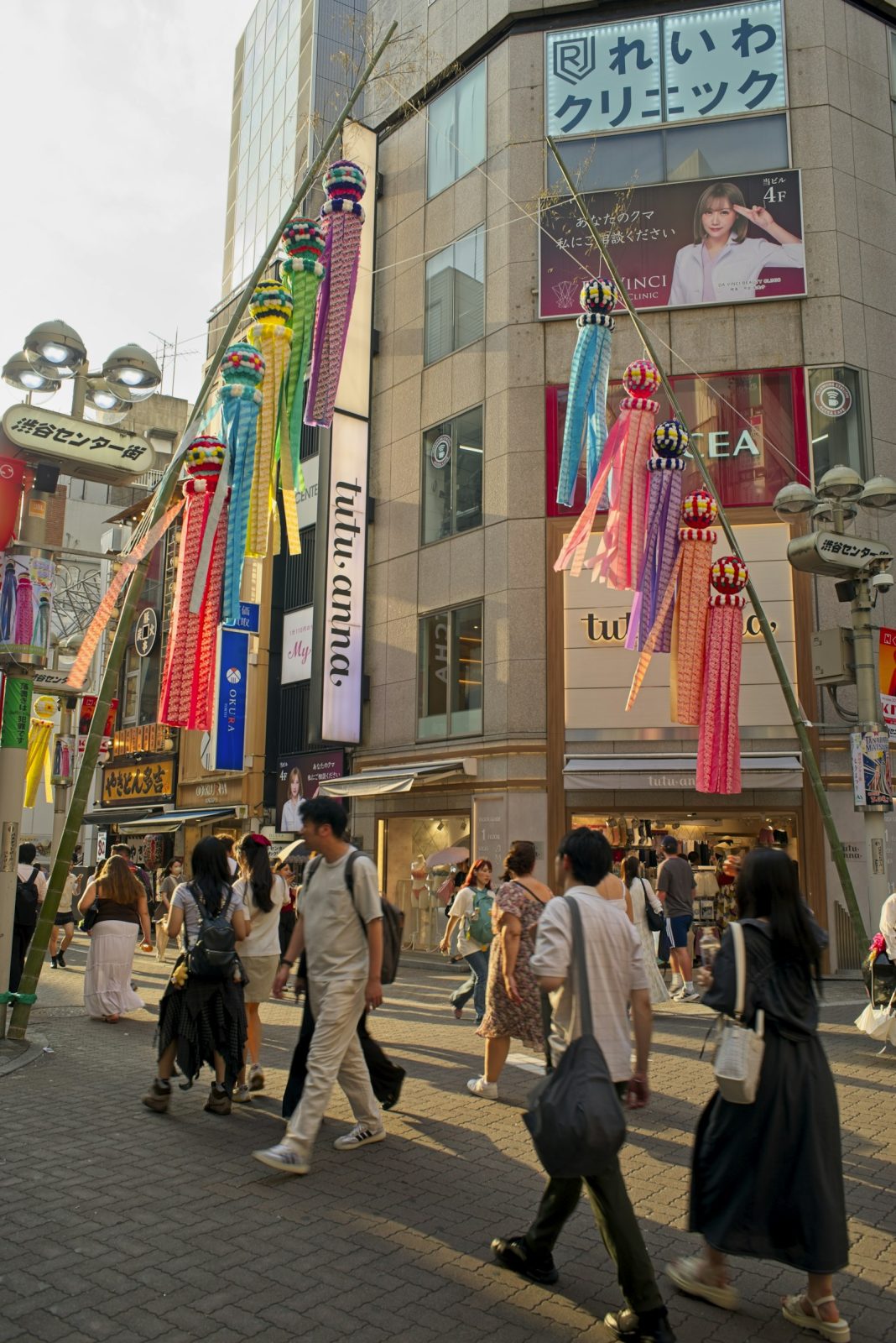
The side streets, not Takeshita StreetBy the afternoon, Kinji, a big basement vintage store, is the cheap and cheerful stop. The backstreets of Ura-Harajuku are where the designer resale and the small boutiques are.
Kinji on Google Maps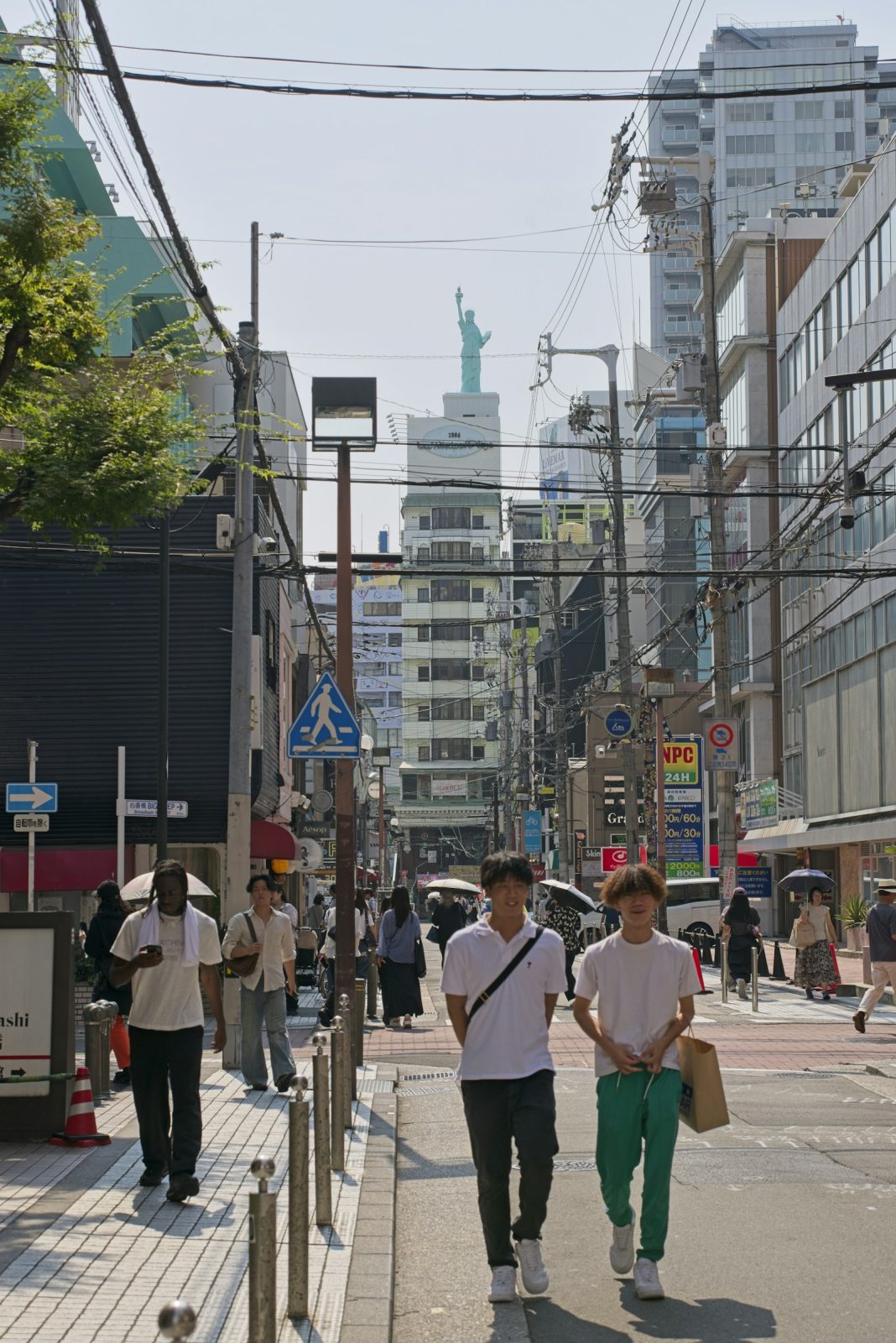
Amerikamura, Osaka
A few blocks west of ShinsaibashiIn Osaka, the vintage street, an easy walk from Dotonbori. Our Osaka list has the rest of the neighborhood, including where to eat vegetarian nearby.
Amerikamura on Google Maps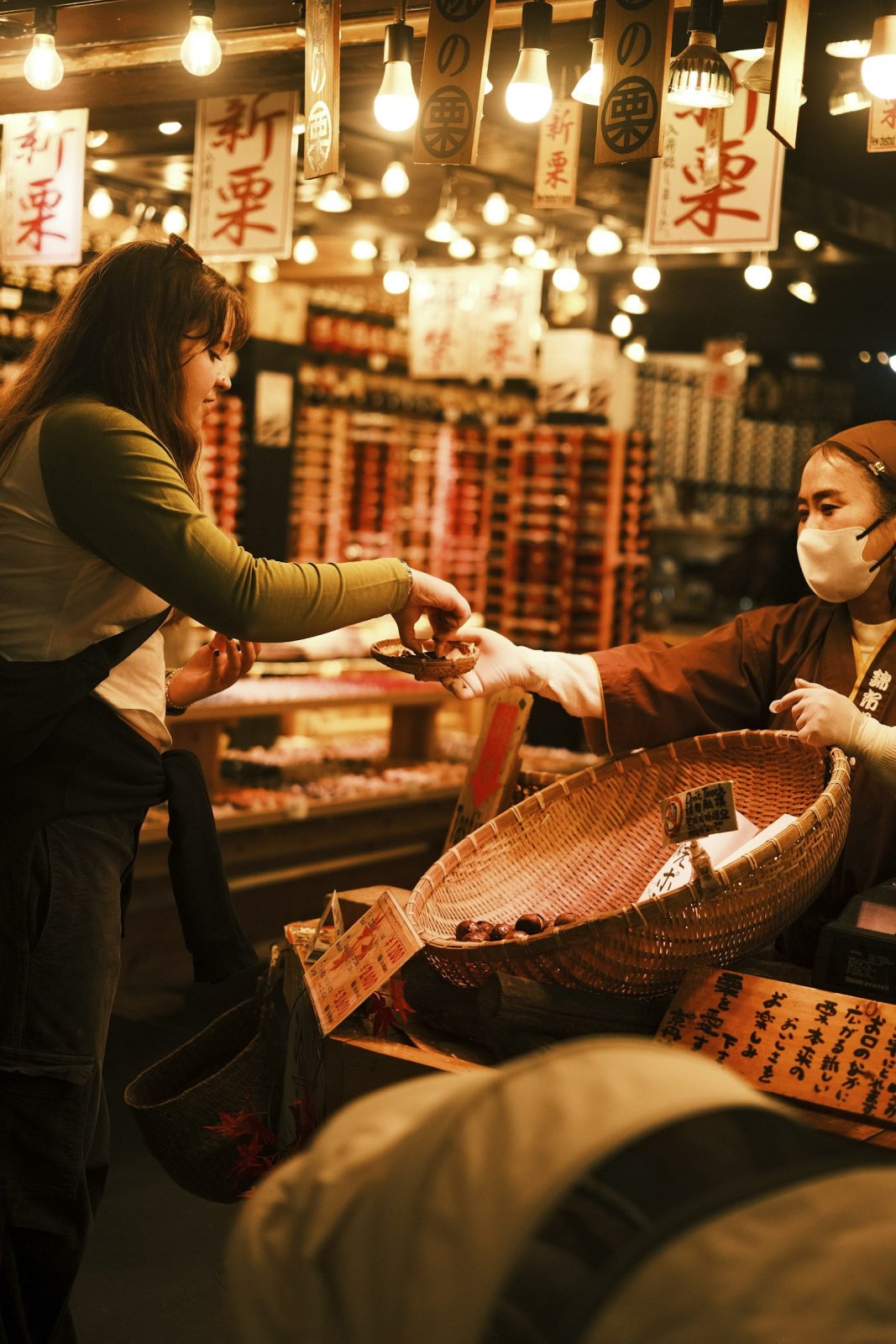
Kyoto's temple flea markets
Plan your Kyoto days around the dateTwo monthly markets fill temple grounds with old kimono, ceramics, tools, prints and antiques. Kobo-san is at To-ji on the 21st of every month, and Tenjin-san is at Kitano Tenmangu on the 25th. Go early, bring cash, and haggle gently if at all.
To-ji on Google MapsShopping a big part of your trip? Tell us your dates and we will build the shopping days into your plan: the flea market dates, the right neighborhoods and time to pack.
The resale chains
The ones Reddit swears by. You will see these everywhere, and that is the point: when a neighborhood shop is closed, one of these is around the corner. Sizes run small, so try things on, and many fitting rooms ask you to wear a thin face cover when you try on tops.
Everyday secondhand
- 2nd Street
The big one. Huge range, low prices, branches in every city. - Treasure Factory
Clothes, homeware and the odd bit of furniture.
Designer resale
Luxury bags and watches
Buying matcha
"Ceremonial grade" is a label made for export. In Japan, matcha is graded by how it is meant to be whisked.
Usucha grade is for thin tea, the everyday bowl. Koicha grade is the top tier, smooth enough to be whisked thick. For lattes and baking, a cooking grade is fine and much cheaper. Where it was grown matters too: Uji, just south of Kyoto, is the famous name, and Nishio in Aichi and Yame in Fukuoka are excellent.
Also worth a tin: hojicha, a roasted green tea that is low in caffeine and great as a latte; genmaicha, green tea with toasted rice; and gyokuro, shade grown and naturally sweet.
Ippodo Tea
Teramachi, KyotoA Kyoto tea house since 1717, with its main shop on Teramachi street and a branch in Tokyo's Marunouchi. Clear grades, patient staff, and small tins that travel well.
Ippodo on Google MapsNakamura Tokichi
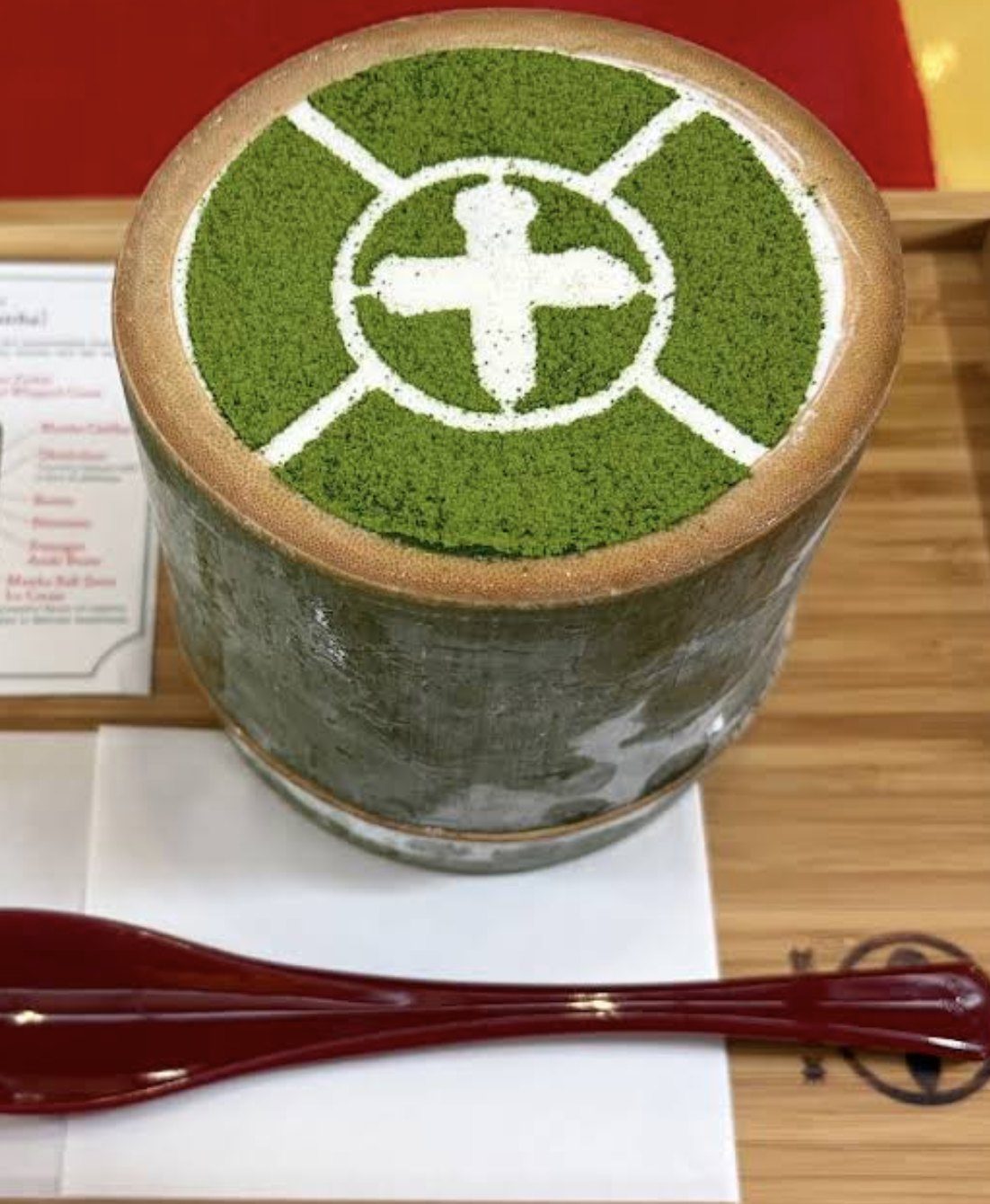
UjiIn Uji since 1854. Buy your tea, then stay for the matcha parfait.
Nakamura Tokichi on Google MapsMarukyu Koyamaen
UjiAn Uji grower and blender that tea schools trust, with its own shop in Uji and counters in department stores.
Marukyu Koyamaen on Google MapsDepartment store food halls
The basement food floors of Takashimaya, Daimaru and Isetan carry the big tea houses under one roof.
Takashimaya Kyoto on Google Maps
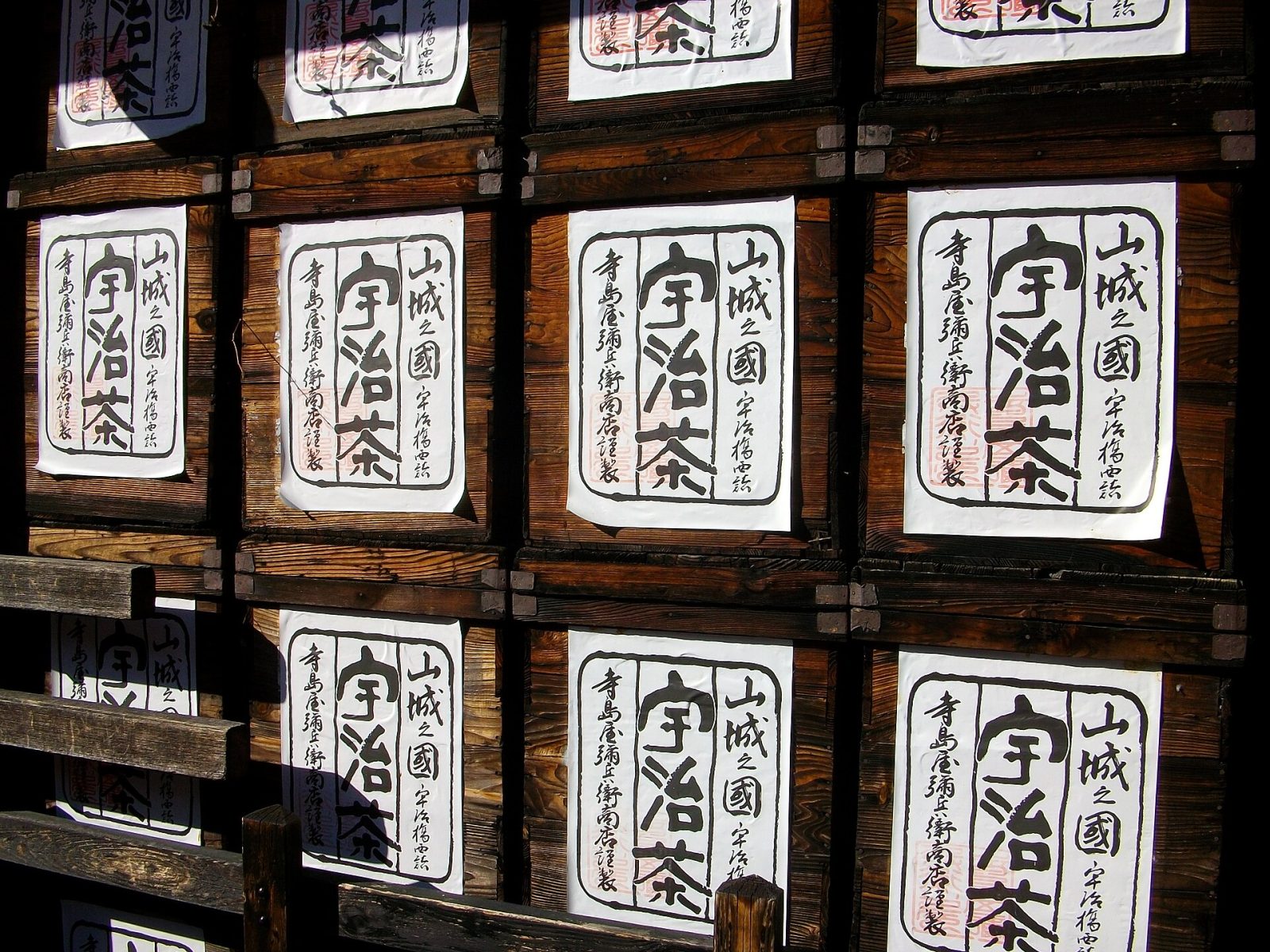
Buy small tins and keep them sealed and cool, because opened matcha fades within weeks. Some shops have set per person limits since the matcha shortage, so do not leave it to your last day.
Worth the suitcase space
The things people come home wishing they had bought more of.
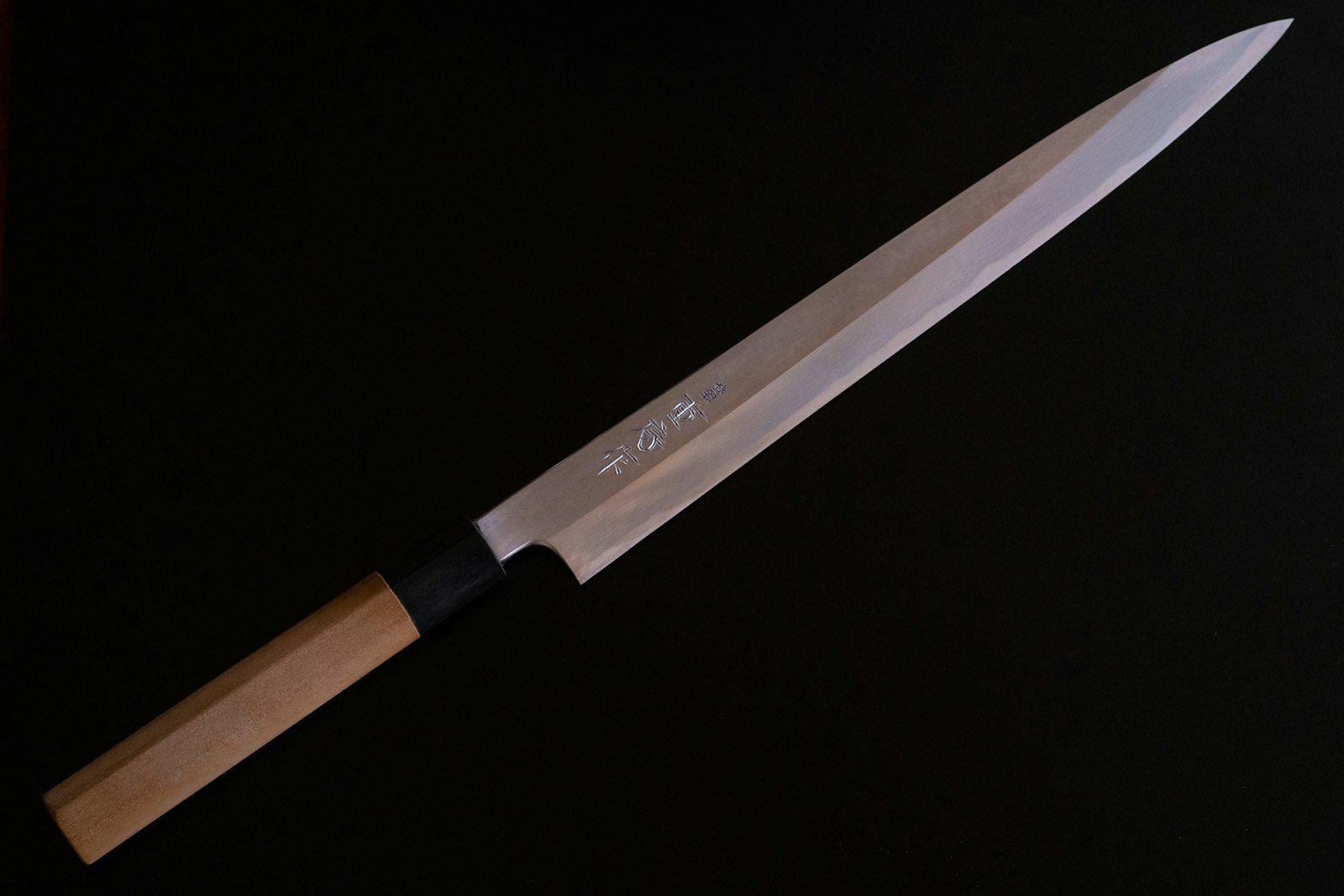
Kitchen knives
Kappabashi, Nishiki, SakaiKappabashi in Tokyo is a whole street of kitchen shops. In Kyoto, Aritsugu in Nishiki Market has made knives for centuries, and Osaka has Sakai, Japan's knife making town. Pack them in checked luggage, never in your carry on.
Kappabashi on Google MapsStationery
Loft, and Itoya in GinzaPens, notebooks and washi tape you will not find at home.
Itoya on Google MapsSkincare and sunscreen
Any big drugstoreMatsumoto Kiyoshi and the like. Japanese sunscreens such as Biore UV, Anessa and Skin Aqua are the cult buys, and cost far less than at home.
Snacks
Don Quijote, open lateRegional KitKat flavors and everything else. Vegetarians, check savory snacks for katsuo, the bonito fish extract hiding in a lot of them.
Don Quijote on Google MapsCeramics and tenugui
A handmade cup from a Kyoto potter, and tenugui, the printed cotton cloths that are light, flat and actually useful.
Tax free, the short version
Spend 5,000 yen or more in one store on the same day and you can shop tax free with your passport. That is 10 percent off most things and 8 percent off food.
Since November 1, 2026, Japan has used a refund system: you pay the tax at the till and get it back when you leave the country. Keep every receipt together, keep the goods unopened, and give yourself extra time at the airport.
Want a shopping day built in?
Kyoto on the right flea market date, Kappabashi on the way to your Tokyo hotel, and an evening to pack before the airport. Send us your dates and we plan the shopping in the right places.
Akshar Travels plans luxury Japan too: the hotels and ryokan worth the splurge, the best rates we can find for your dates, and reserved seats on the bullet train in the weeks they sell out.
More Japan guides
- Things to do in OsakaSights, vegetarian food, coffee and a cocktail bar list.
- Coffee and matcha in JapanThird wave roasters, kissaten and tea rooms in three cities.
- Japan month by month, 2027The honest trade for every month before you pick dates.
Pictures from Wikimedia Commons: the Shimokitazawa racks and Takeshita Street by Syced (CC0), the Koenji street by Stephen Kelly (CC BY 2.0) and the Uji tea chests by おいでやす千年の都 (CC0). The rest are ours.
FAQ
What is the best place for vintage shopping in Tokyo?
Shimokitazawa is Tokyo's vintage capital, and Koenji is usually cheaper. For designer resale, try Ragtag and the backstreets of Ura-Harajuku.
What should I buy in Japan?
Secondhand and vintage clothing, matcha and other green teas, kitchen knives, stationery, Japanese sunscreen and skincare, and ceramics are the buys travelers most often wish they had more room for.
Where should I buy matcha in Japan?
Uji and Kyoto are the best places: Ippodo Tea in Kyoto and Nakamura Tokichi in Uji are both long established. Department store food halls carry the big tea houses under one roof.
What does ceremonial grade matcha mean in Japan?
It is mostly an export label. In Japan, matcha is sold by how it is meant to be whisked: usucha grade for thin tea and koicha grade, the top tier, for thick tea.
How does tax free shopping work in Japan?
Spend 5,000 yen or more in one store on the same day and show your passport. CONFIRM BEFORE PUBLISHING: from November 1, 2026 the tax is refunded when you leave Japan rather than taken off at the till.
Tours in this post
- Japan Cherry Blossom with South Korea - 12 days
- Wonders of Japan Tour Package with Bullet Train, Alpine Route & Mount Fuji - 10 days
- Japan Cherry Blossom Group Tour 2027 from USA - 9 days - From $3,299 - Next departure Mar 31, 2027